


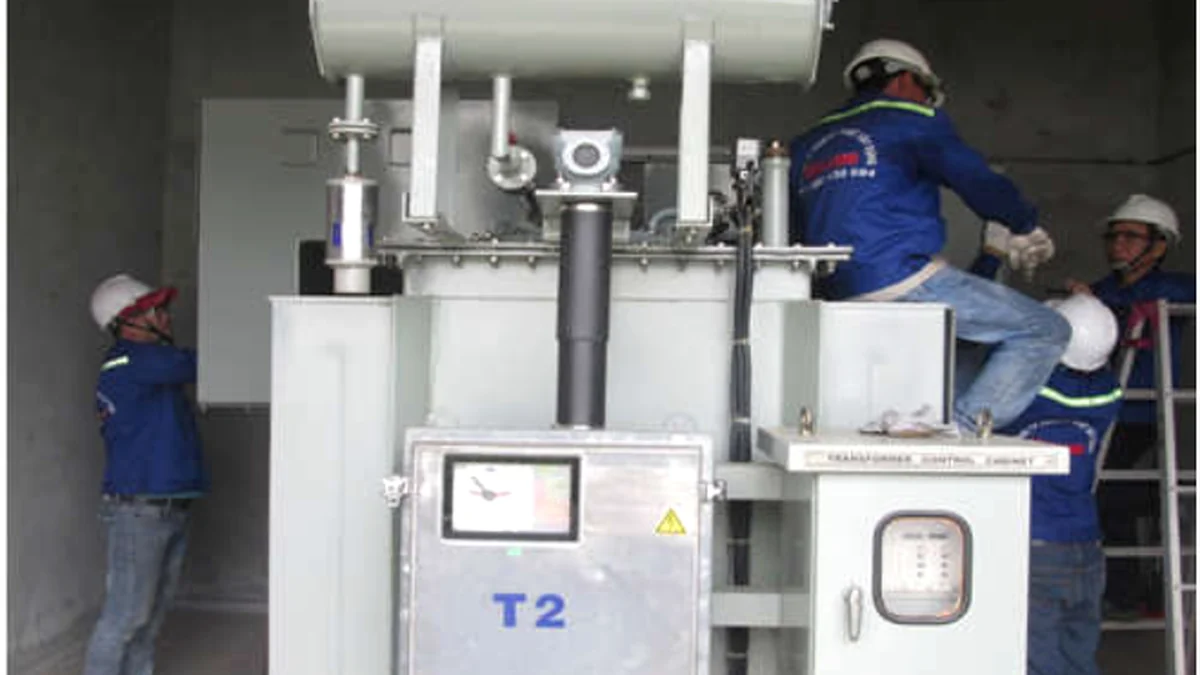
Before an operating factory shuts down equipment for maintenance, it needs to understand what processes depend on that asset, how isolation will be managed and what its fault history indicates. Maintenance should respond to the condition and duty of each system rather than repeat the same checklist for every machine.
BILOCO's project photographs document electrical, switchgear, transformer and other MEP inspection activities. Individual service visits are defined by asset condition, authorised access and the agreed level of intervention.
Asset survey and maintenance register
A useful programme begins with an asset register showing locations, identifiers, functions and criticality. For switchgear, transformers, pumps, fans and cooling equipment, initial condition and known faults should be recorded.
Existing drawings may not fully reflect operating conditions. A site survey can identify discrepancies and allow a more realistic maintenance scope and spare-parts plan.
Electrical inspection and switchgear maintenance
Depending on equipment type and authorised access, work can include visual inspection, cleaning, contact and overheating checks, mechanical connections, measurements and agreed functional tests. Some tests require specially qualified personnel and instruments.
Panels or energised equipment must not be opened or worked on without an appropriate risk assessment and safe system of work. Isolation, lockout and tagging responsibilities need to be agreed with the facility operator.
Mechanical equipment, pumps and cooling systems
Pumps, fans and cooling systems may require checks for abnormal noise, vibration, temperatures, leaks, filters, belts or couplings as applicable. Measurements should be compared with manufacturer information and previous records.
Chiller, refrigerant and heat-rejection works require the relevant equipment procedures and safety precautions. Replacement recommendations should follow suitable condition assessment rather than guesswork.
Maintenance planning for live facilities
Before maintenance, the affected systems, downtime window, responsible personnel and restart procedure should be agreed. Critical equipment may need a phased approach rather than an unnecessary blanket shutdown.
Out-of-scope findings should be photographed, assessed and communicated for approval rather than automatically turned into additional work.
Reports and follow-up actions
A useful maintenance report identifies the assets inspected, before-and-after condition, tests carried out, open issues and prioritised recommendations. Follow-up actions should have clear ownership.
Records across service visits help distinguish new faults from recurring problems and provide a basis for maintenance budgets, spare parts and improvement decisions.
Information for a controlled maintenance visit
The site engineering team should provide asset registers, recent fault logs, previous service reports and approved downtime windows. These records help prioritise equipment, measurement needs and likely spare parts.
- Asset IDs, locations, make/model and available manuals.
- Observed symptoms, frequency and earlier readings.
- Shutdown period, isolation authority and restart requirements.
Service reports should distinguish completed checks from unresolved findings rather than suggesting that every issue has been corrected.
Frequently asked questions
A useful programme begins with an asset register showing locations, identifiers, functions and criticality. For switchgear, transformers, pumps, fans and cooling equipment, initial condition and known faults should be recorded.
Existing drawings may not fully reflect operating conditions. A site survey can identify discrepancies and allow a more realistic maintenance scope and spare-parts plan.
Depending on equipment type and authorised access, work can include visual inspection, cleaning, contact and overheating checks, mechanical connections, measurements and agreed functional tests. Some tests require specially qualified personnel and instruments.
Panels or energised equipment must not be opened or worked on without an appropriate risk assessment and safe system of work. Isolation, lockout and tagging…
Pumps, fans and cooling systems may require checks for abnormal noise, vibration, temperatures, leaks, filters, belts or couplings as applicable. Measurements should be compared with manufacturer information and previous records.
Chiller, refrigerant and heat-rejection works require the relevant equipment procedures and safety precautions. Replacement recommendations should follow suitable condition assessment rat…
Before maintenance, the affected systems, downtime window, responsible personnel and restart procedure should be agreed. Critical equipment may need a phased approach rather than an unnecessary blanket shutdown.
Out-of-scope findings should be photographed, assessed and communicated for approval rather than automatically turned into additional work.
A useful maintenance report identifies the assets inspected, before-and-after condition, tests carried out, open issues and prioritised recommendations. Follow-up actions should have clear ownership.
Records across service visits help distinguish new faults from recurring problems and provide a basis for maintenance budgets, spare parts and improvement decisions.